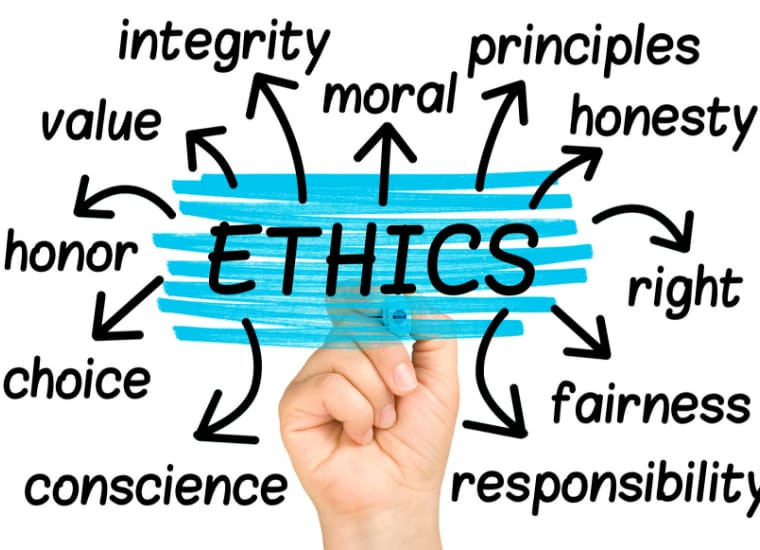
The module introduces students to key issues in media ethics, not only within the realm of journalism but also across other media industries such as film, music, advertising, and public relations. It examines ethics as an essential tool for ensuring fair and credible reporting, while also emphasizing its role in shaping the professional identity of media practitioners in the digital age. As the media landscape continues to shift online, these changes challenge traditional roles in news production and provide the public with increased opportunities to participate in the dissemination of information.
Ethics serves as the guiding thread that connects various stages and actors in this transition, with the module focusing on how media organizations respond to their societal responsibilities. Students will explore the ways in which media industries—beyond journalism—address issues such as audience engagement, ethical decision-making, and the management of diverse public interests. Special attention will be given to the search for alternative funding models, the evolving nature of media ownership, and the ongoing battle against disinformation. Throughout the course, students will be encouraged to critically analyze the ethical frameworks that underpin these industries and understand how they intersect with broader societal and cultural issues.
Ethics serves as the guiding thread that connects various stages and actors in this transition, with the module focusing on how media organizations respond to their societal responsibilities. Students will explore the ways in which media industries—beyond journalism—address issues such as audience engagement, ethical decision-making, and the management of diverse public interests. Special attention will be given to the search for alternative funding models, the evolving nature of media ownership, and the ongoing battle against disinformation. Throughout the course, students will be encouraged to critically analyze the ethical frameworks that underpin these industries and understand how they intersect with broader societal and cultural issues.
- Instructor: Eva Malinaki